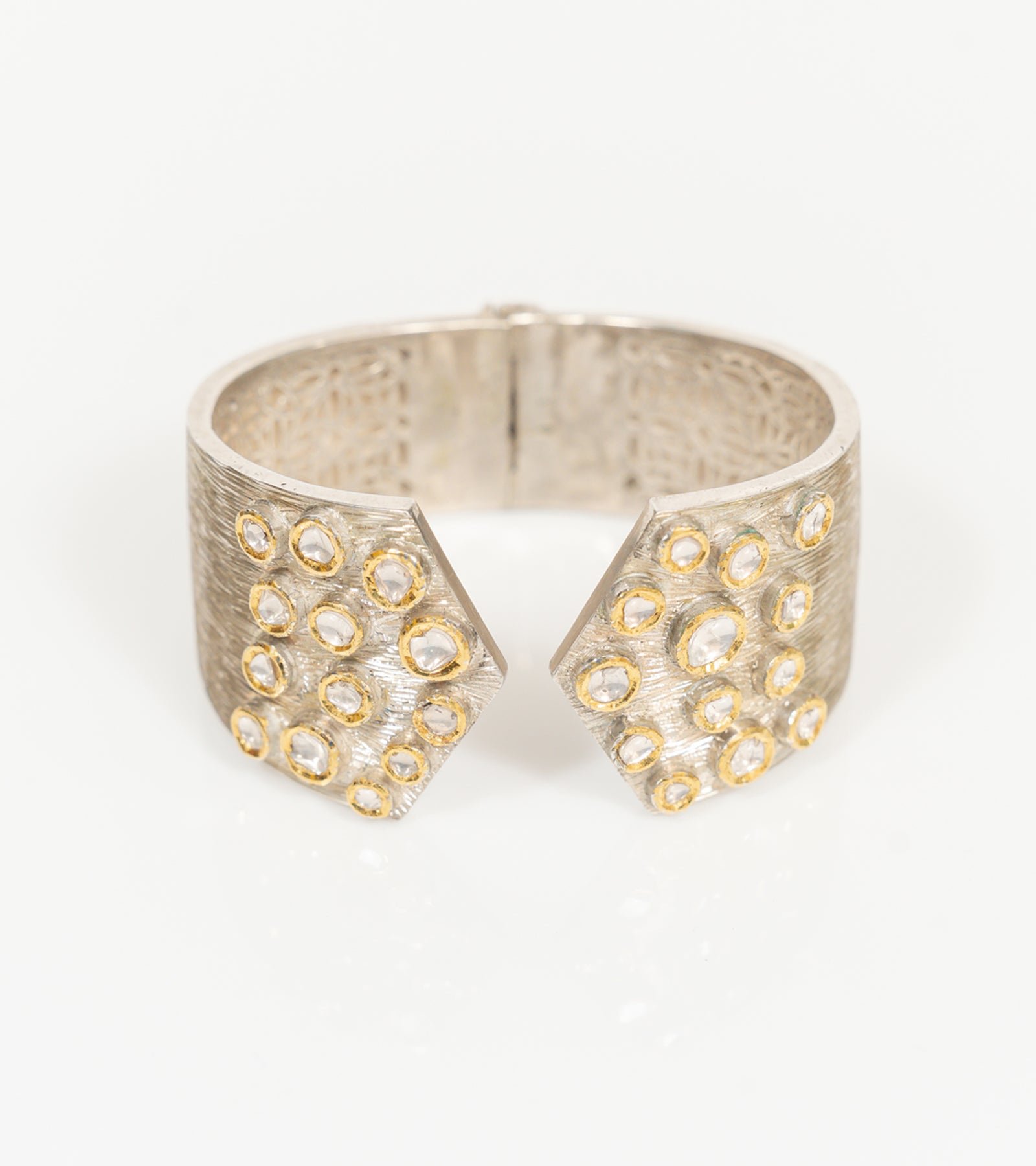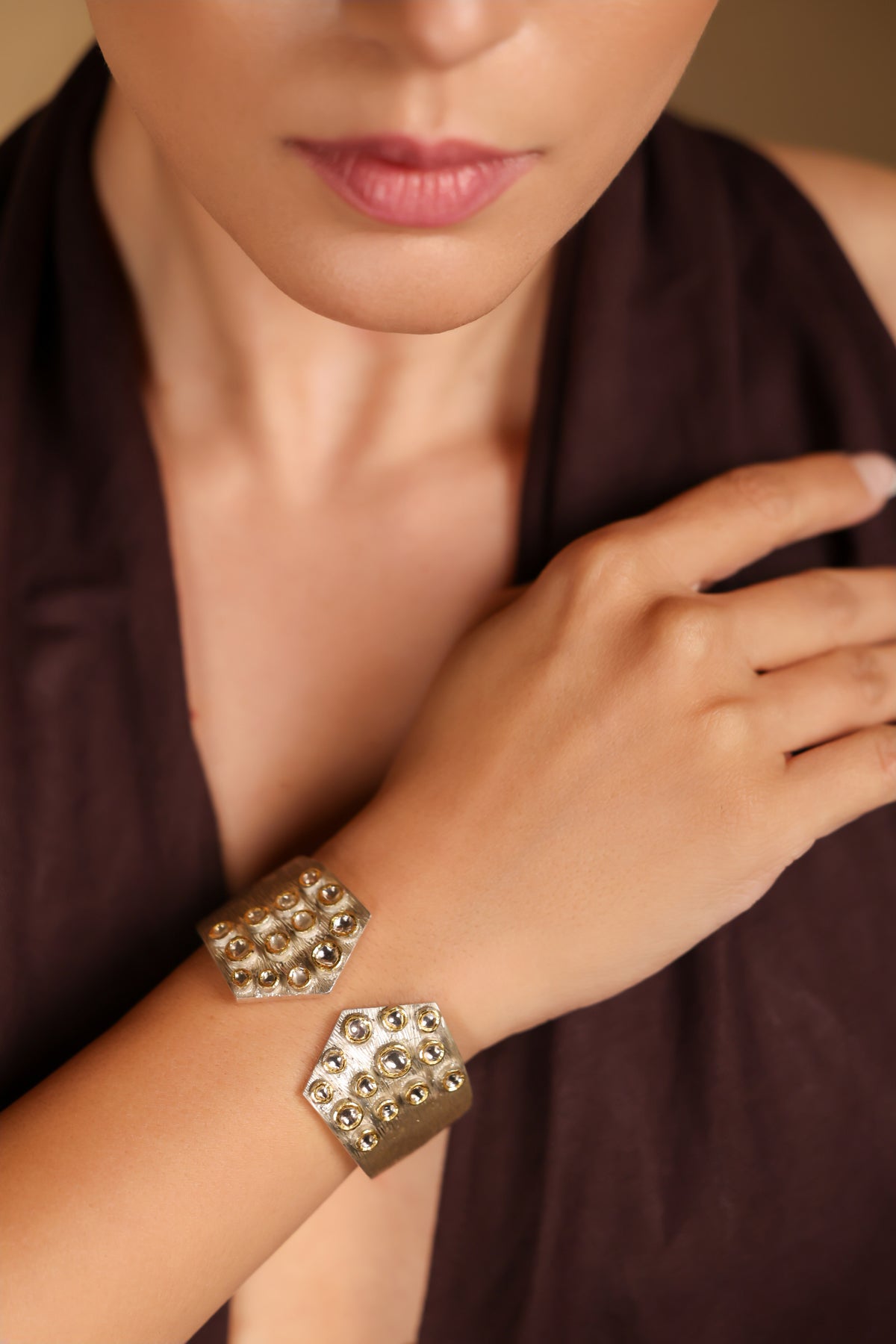
The first encounter with luxury is almost always additive. More detail. More visibility. More — as proof of more.
This is not a mistake. It is a stage. There is genuine pleasure in abundance, in surfaces that announce themselves, in the unmistakable signal of wealth made visible.
But something shifts.
Not for everyone, and not all at once. But for those who spend enough time in proximity to truly considered things, the definition begins to change.
Luxury starts to look like stillness.
Like a surface that holds your attention not because it demands it, but because it rewards it. Like a piece that reveals itself slowly — where the most interesting detail is not the one you see first, but the one you find on the third look.
Restraint is not minimalism. It is not the absence of decision.
It is the hardest decision of all — knowing when to stop.
That kind of judgment is not instinctive. It is earned. It comes from understanding what is excessive before you can understand what is resolved. It requires having seen enough to know the difference between what is impressive and what endures.
And it is almost always inherited.
Developed in environments where things were chosen carefully, where quality was understood in whispers rather than declarations, where the most valued objects made no effort to be noticed.
Restraint, practiced at this level, is not the absence of luxury. It is the luxury.