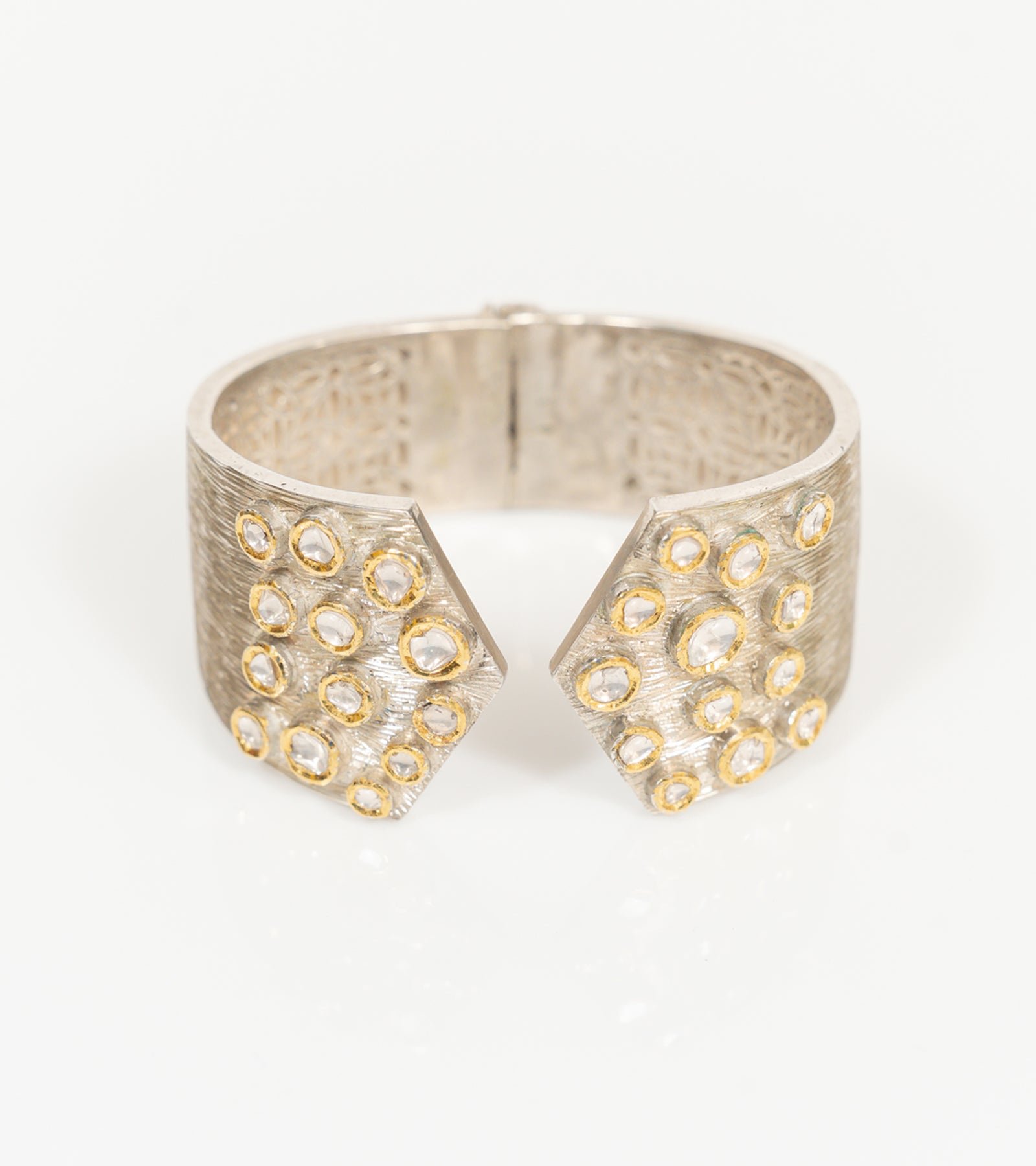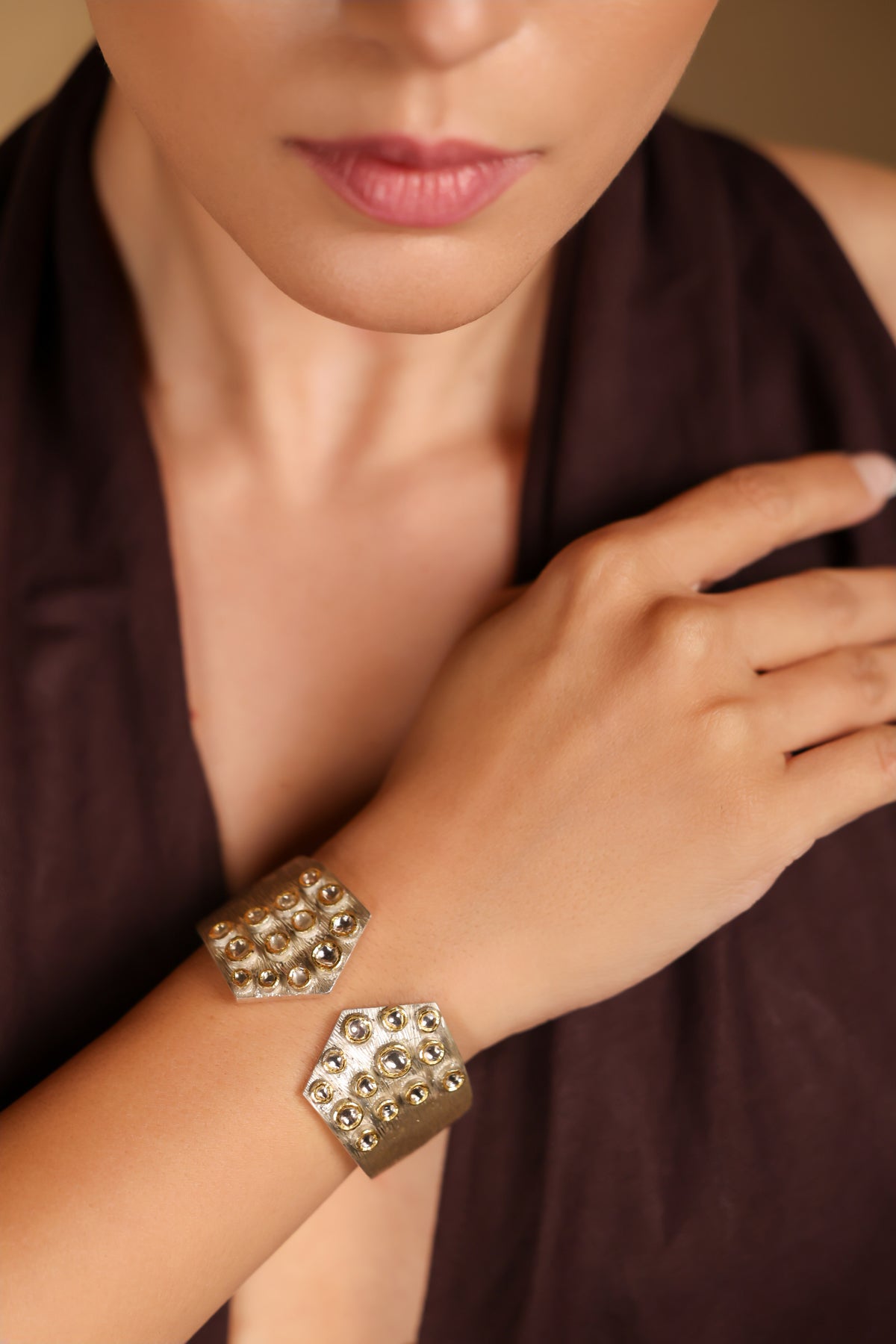
There is a kind of design that begins at the surface.
It asks: what is beautiful? What is current? What will be recognized as significant right now?
These are not unimportant questions. But they are not the deepest ones.
The deepest designs do not begin with a question about aesthetics.
They begin with something quieter.
A memory of weight — the particular heaviness of something held as a child, before you understood what made it valuable. A texture encountered so often it became familiar before it became meaningful. A proportion seen so many times across so many objects that the eye learned to expect it, and feels its absence as a kind of dissonance.
When design is rooted in this kind of memory, something different happens.
It does not feel temporary.
It does not feel like it arrived from a trend or a moment.
It feels — against all odds, given that it is new — like it has existed before.
This is not nostalgia. It is continuity.
The difference between an object that is beautiful and an object that endures is often this: one was made for the eye, and one was made from the inside — from accumulated experience, from inherited sensitivity, from a depth of reference that no mood board can fully replicate.
Legacy, in design, is not a reference.